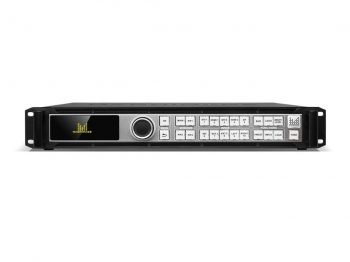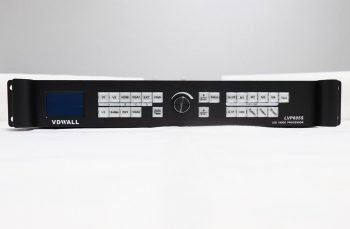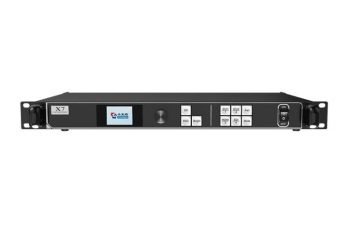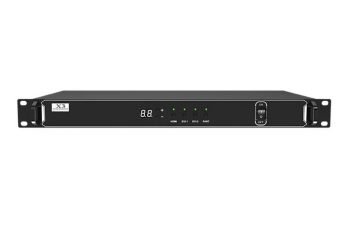

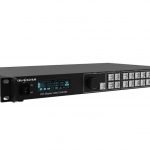


Description
The NovaStar TU Series was developed by leveraging the core strengths, integrated solutions, and technological resources of NovaStar’s existing products, with a focus on addressing the specific needs of various application scenarios. Unlike traditional offerings on the market, the TU Series introduces groundbreaking innovations in functionality, making it a standout in the industry.
TU Series includes TU15 Pro, NovaStar TU20 Pro, NovaStar TU40 Pro. It integrates multiple essential features into a single device, including an LED main controller, video processor, playback unit, and interactive applications such as meeting systems. This all-in-one design simplifies the user experience, allowing operators to manage display screens and control systems effortlessly using just one device.
By streamlining the display and control process, the TU Series significantly enhances user convenience while maintaining flexibility across different use cases. Whether for corporate exhibitions, education, or telemedicine, the TU Series offers a versatile and efficient solution for modern LED display management.

TU15 Pro specifications
| LED loading capacity | Up to 2,600,000 pixels across the device |
|---|---|
| LED outputs | 4 × Gigabit Ethernet (RJ45) |
| HDMI inputs | 2 × HDMI 1.3; standard maximum input 2048 × 1152 at 60 Hz; custom timings require configuration |
| USB connections | 3 × USB 2.0 for media playback and peripherals |
| Maximum scaled dimensions | 4096 pixels wide or 1920 pixels high, subject to the total 2.6-million-pixel limit |
| HDMI output | 1 × HDMI output for standard 1080p video |
| Audio outputs | 1 × 3.5 mm audio; 1 × SPDIF digital audio |
| Operating system | Android 11 |
| Memory and storage | 4 GB RAM; 32 GB internal storage |
| Control connections | Ethernet control, RS232 and sensor connector |
Resolution matters: the maximum width and height are separate limits. A 4096 × 1920 canvas is 7,864,320 pixels and exceeds this controller’s capacity. A 1920 × 1080 screen has 2,073,600 pixels and fits the total pixel budget, subject to receiving-card mapping and port loading.